
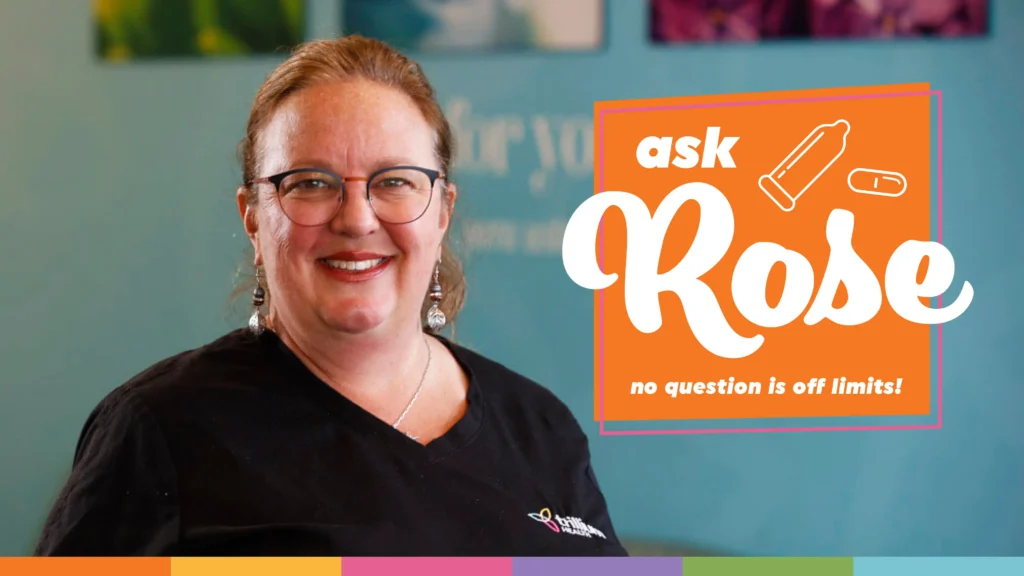
Rosemarie Surowiec, PA-C, is a sexual health expert! We sat down and asked her questions about STIs and PrEP.
Q: Is there a difference between an STD and STI?
A: No. STD stands for Sexually Transmitted Disease and STI stands for Sexually Transmitted Infection. The correct phrase to use now is STI.
Q: How do I know if I have an STI? Are there signs?
A: The big thing to know is that a lot of STIs are completely asymptomatic, meaning you don’t have any symptoms. If you do have symptoms however, watch for change in discharge, pain with urination, unusual rashes, new lesions or growths, and general discomfort.
Q: Can I get an STI without having sex?
A: Yes. There are some STIs that you can get from skin-to-skin contact without having penetrative sex.
Q: Are most STIs treatable?
A: Yes, most are treatable and curable. Viral STIs however, including HPV, Herpes, and HIV, are manageable but not completely curable.
Q: When should I visit the doctor if I’m having symptoms “down there”?
A: If you have symptoms you should visit the doctor to get tested within 24-72 hours.
Q: Can STIs be transmitted through oral sex?
A: Yes. Using barrier protection such as a condom can reduce the risk of giving or getting an STI through oral sex.
Q: Does being on the birth control pill protect me from STIs?
A: No. The only protection that oral contraceptive pills provide is against pregnancy.
Q: How do I protect myself from getting STIs?
A: The most important barrier we have for STI protection is condom usage. This works for oral, penial/vaginal, and anal intercourse. We also have PrEP available at Trillium Health, which protects HIV negative individuals from contracting HIV.
Q: How can I get tested for STIs and HIV at Trillium Health?
A: We offer multiple locations to get tested in-person and we also offer at-home testing. All testing services can be found here.
Q: Do people who take PrEP get more STIs?
A: No. People on PrEP get tested more often, but they are not at a higher risk for getting STIs.
Q: Will PrEP give me kidney failure?
A: No. PrEP can affect kidney function, but it will not cause kidney failure. We monitor your kidney function very closely with routine bloodwork and will change medication as needed. PrEP won’t cause someone to have chronic, long-term kidney disease.
Trillium Health offers many options for testing. Call 585.545.7200 to make an appointment.